The lounge, explained
What is offline poker?
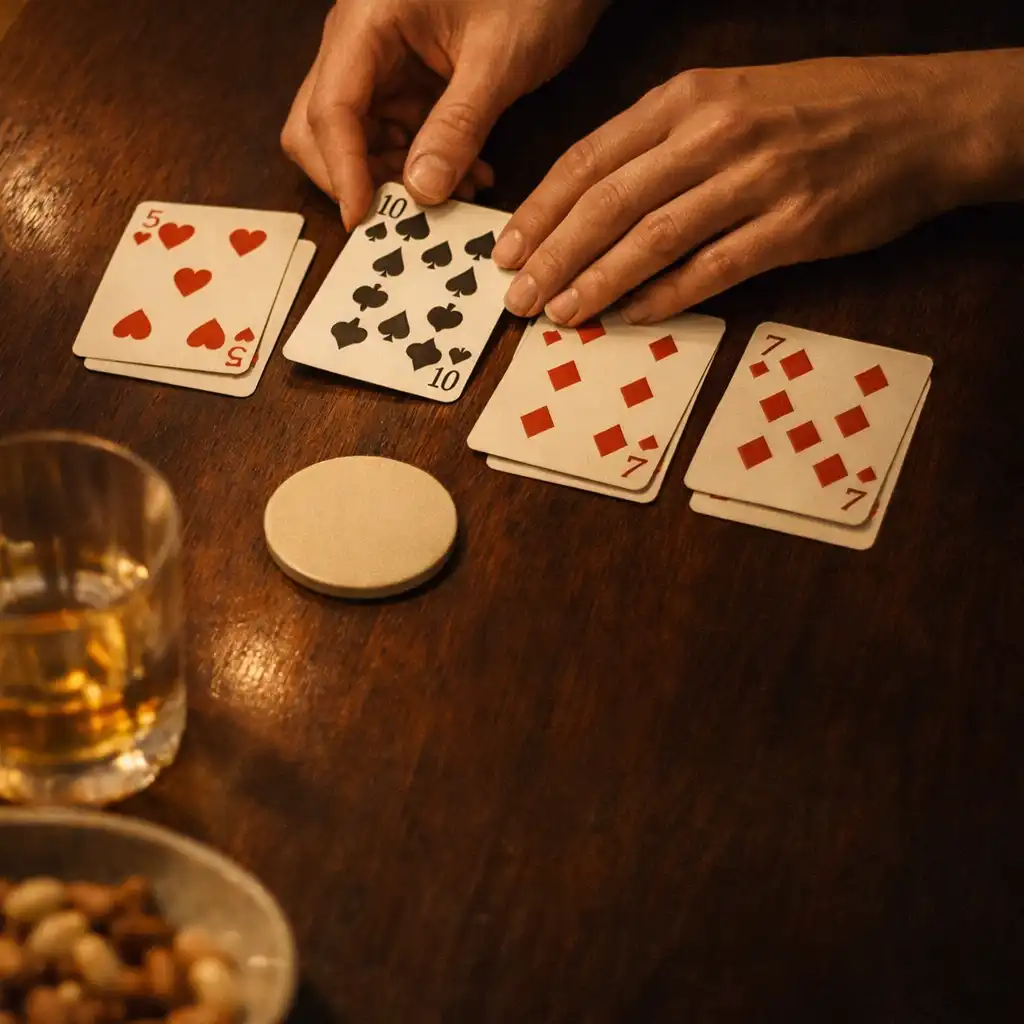
Offline poker means being together at a physical table: handling real cards, noticing the rhythm of the room and sharing an evening that is shaped by people rather than a screen. It gives strategy and conversation the same place at the table.
In-person by design
Here, the useful details are often human ones: a pause before a hand, an easy question across the table, or the chance to read the room with care. Screen-based play has its own pace; this lounge is deliberately face to face, with real table ritual, shared strategy and a social evening that feels present from the first conversation.
A lounge within a supperhouse
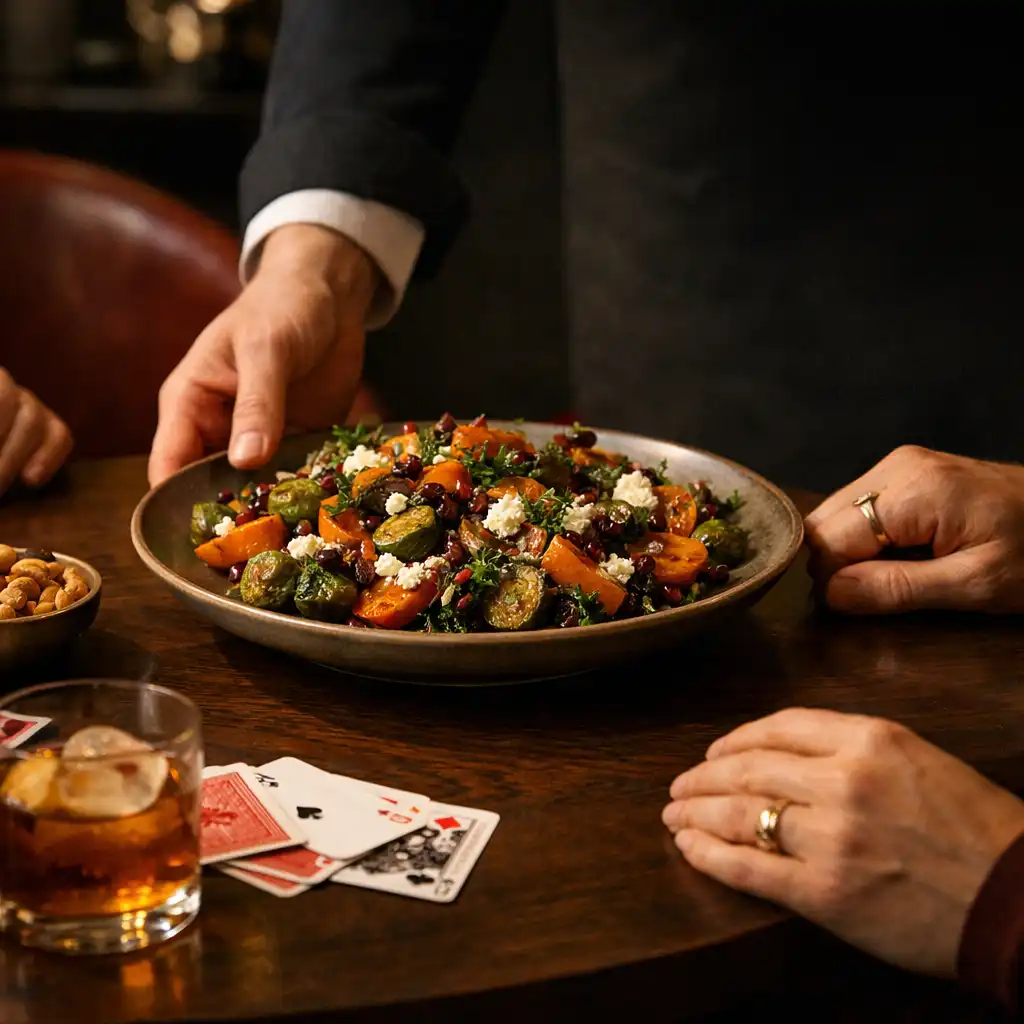
The card lounge belongs to an independent restaurant setting, where dining, drinks and conversation can help an evening settle into its own rhythm. You might come with friends, meet fellow players or simply make more of a night out. If supper is your starting point, explore the restaurant and see how the wider venue experience fits together.
Hosted social play
Thoughtful hosting, table awareness and a welcoming pace matter more here than high-pressure play. Everyone helps create a room that is clear, generous and enjoyable to join. The aim is simple: social, in person, considered. That shared approach gives newcomers space to settle in and experienced visitors a setting where good company remains part of the strategy.


Shared table practice
Social poker etiquette
A good social table is made by everyone in it. These principles are invitations to help the room feel relaxed, clear and welcoming across different levels of familiarity.
Arrive ready to share the table
Treat table space, time and attention as shared resources. Giving others room to follow the game and join the conversation makes it easier for everyone to settle in. If you are unsure where to begin, asking is a welcome and useful first step.
Keep the pace considerate
A clear, attentive pace helps newcomers and regular players enjoy the same table, especially when conversation is part of the evening. Patience, awareness and simple communication can keep the shared flow easy without making the room feel overly formal.
Respect people, cards and the room
Respectful language, calm table conduct and care for shared materials preserve the warm atmosphere people come for. This is a collective standard of hospitality: notice the people around you, handle the table thoughtfully and help keep the room approachable.
Ask early, learn easily
A question is part of joining a social table, whether you need orientation or simply want to understand the flow of the evening. First-time visitors can find practical context in the frequently asked questions before planning a visit.